
- Employee Spotlight, Success Stories
- Environmental Resource Assessment & Management
Employee Owners Nominated for NOAA Gold Medal Award
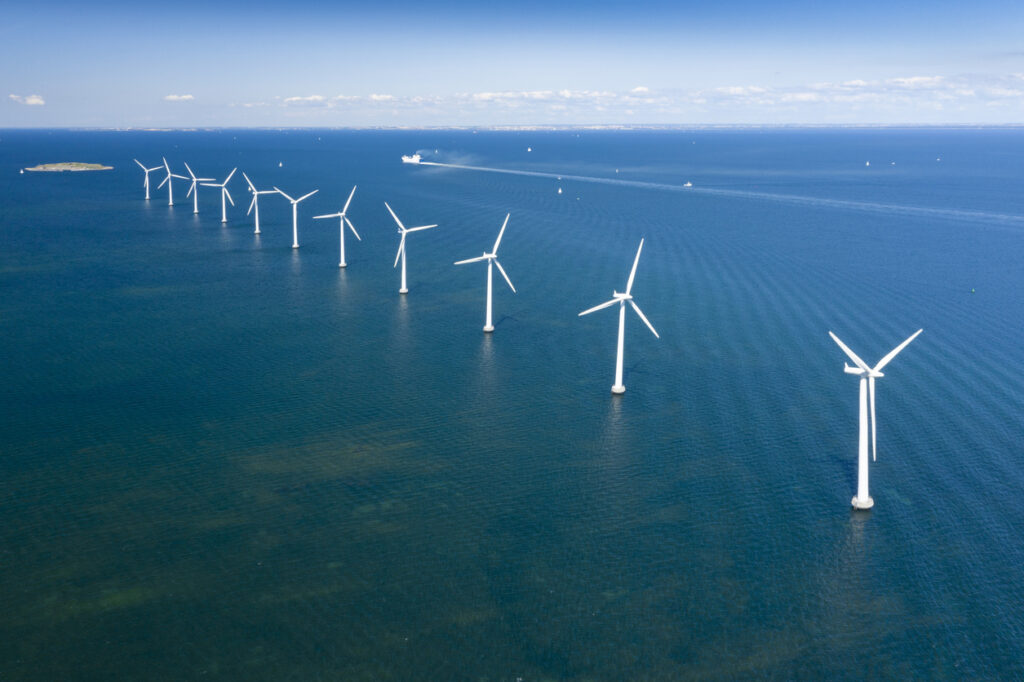
Congratulations to CSS employee owners supporting NOAA’s National Centers for Coastal Ocean Science for their nomination for the NOAA Gold Medal Award! CSS employee owners have been critical members of the team charged with the rapid development of spatial models that aid in offshore wind planning in the Gulf of Mexico. The team has collected authoritative data, developed maps and spatial models, engaged with partners, and managed the project to inform siting of ocean use, environmental review, and permitting. This effort provides guidance to the Bureau of Ocean Energy Management, the agency responsible for identifying and leasing wind energy areas. This is a tremendous accomplishment that advances the President’s offshore wind energy priority and notably reduces conflict.
A big congratulations to the entire team of NOAA and CSS employee owners on this well-deserved nomination!


See More CSS Insights
Fueling NOAA’s Scientific Partnerships
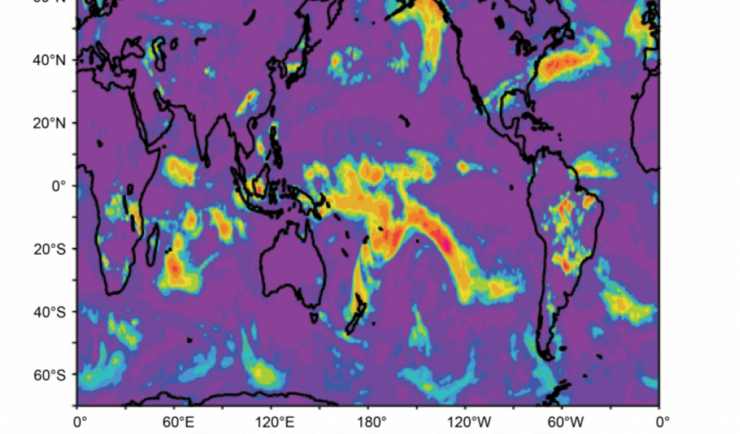
Maintaining NOAA’s active global climate tracking requires seamless collaboration with top-tier universities, research labs, and private contractors. In support of NOAA’s National Centers for Environmental Information, CSS program manager for Climate Data Records (CDR) has managed complex budget plans and contract modifications, securing crucial funding for essential climate variables. This effort directly preserved funding for CRDs including the Total Solar Irradiance CDR (which measures the Sun’s energy…
New Release: Aquaculture Atlas for the Gulf of Alaska
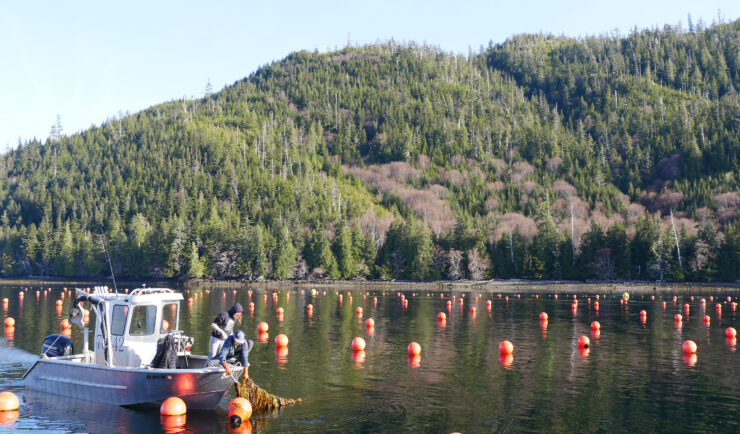
The National Oceanic and Atmospheric Administration (NOAA) has published An Aquaculture Opportunity Area Atlas for the Gulf of Alaska, which identifies 77 potential options in 10 study areas for establishing commercial seaweed and shellfish mariculture in Alaska state waters. For nearly three years, CSS employee owners have been working with partners through our contract with NOAA’s National Centers for Coastal Ocean Science (NCCOS) to support this extensive, cross-agency effort. Since 2023, CSS has supported NCCOS with this collaborative effort,…
Contributing to Wind Energy Area Designations
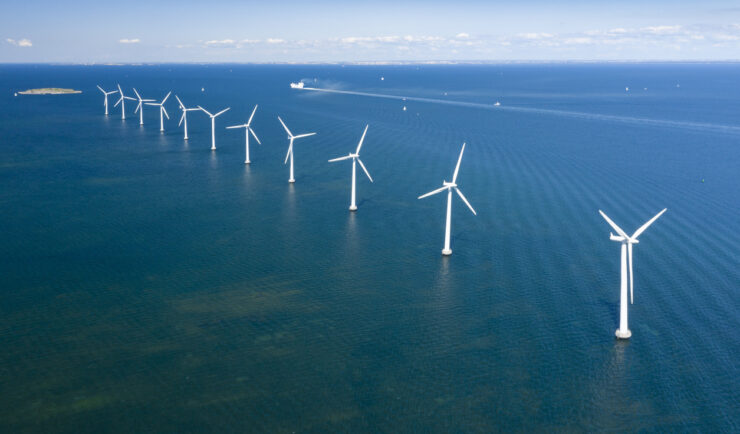
The Bureau of Ocean Energy Management (BOEM) recently announced two Wind Energy Areas (WEAs) in the Gulf of Mexico. The WEAs are located off the coasts of Galveston, Texas, and Lake Charles, Louisiana and have the potential to power nearly three million homes. BOEM collaborated with the National Oceanic and Atmospheric Administration (NOAA) to identify…