
- Employee Spotlight, Success Stories, Uncategorized
Supporting National Ocean Service Financial Management Centers

CSS employee-owners bring exceptional dedication and expertise to the National Ocean Service (NOS) Agreements, Grants, and Acquisitions Division, supporting several Financial Management Centers (FMCs) through complex, high‑priority initiatives.
CSS has played a key role in helping FMCs navigate the U.S. Department of Treasury’s G‑Invoicing system during a period of transition and heavy workload. CSS staff recognized the challenges many teams were facing and broke down the system’s complex requirements into clear, manageable guidance, equipping FMCs with the information and confidence they needed to implement G‑Invoicing effectively.
CSS established a G‑Invoicing Community of Practice—creating a collaborative space for users to share information, troubleshoot challenges, and exchange best practices. Through this collaborative space CSS staff provided consistent updates and meeting recaps ensure that those unable to attend sessions stay well‑informed and supported.
As part of this contract, CSS staff took on the significant task of migrating in‑flight documents and data into G‑Invoicing on behalf of FMCs. This effort eased the workload for already stretched Inter-Agency Agreement coordinators and ensured key agreements were accurately transitioned. This effort helped ensure FMCs were well‑positioned ahead of required timelines, helping NOS stay on track compared to other NOAA offices facing similar challenges.
In addition, CSS supported the major overhaul of the NOS Agreements Handbook, applying subject‑matter expertise to help refresh guidance and clarify processes for users across the organization.
Federal staff CSS have supported through this effort have expressed their gratitude and appreciation to CSS staff’s invaluable dedication, expertise, and professionalism while guiding staff through challenging transitions with ease.
Photo credit: Scott Graham, Unsplash
See More CSS Insights

Engaging in New and Emergent Satellite Technologies
CSS employee owners (formerly Riverside employees) support the National Oceanic and Atmospheric Administration’s (NOAA) National Environmental Satellite, Data, and Information Service’s (NESDIS) Center for Satellite Applications and Research (STAR). STAR is the science arm of NESDIS, which acquires and manages the nation’s environmental satellites for NOAA. Satellite observations are critical to informing situational awareness and…
Extensive Support in Hazard Waste Management
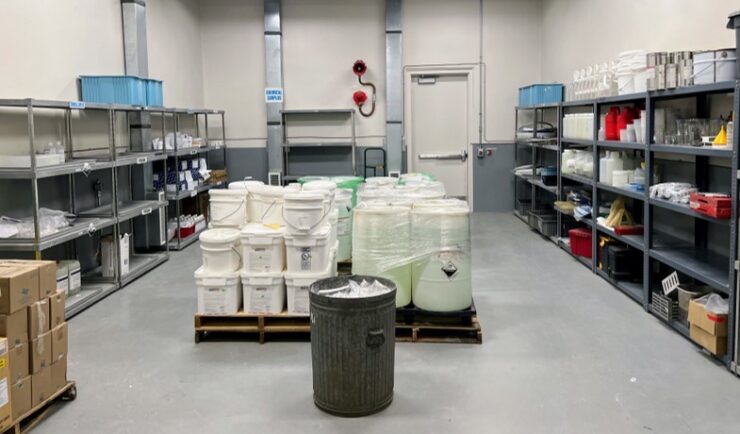
For 22 years, CSS has provided support to the Centers for Disease Control and Prevention (CDC) Hazardous Waste Program ensuring safe handling, storage, packing, and shipping of hazardous waste materials within facilities and laboratories. Experienced CSS employees are located on site at CDC campuses in Atlanta, Georgia, San Juan, Puerto Rico, and Fort Collins, Colorado and are responsible for collecting waste on a weekly schedule and disposing of waste at various campuses on an annual…
Strengthening Risk Communications Training Support to Clients
A CSS employee owner supporting NOAA’s Office for Coastal Management (sub-contracted through Lynker Technologies) has been working closely with colleagues to develop, improve, and deliver trainings related to risk communication. The CSS trainer delivered their first training of Building Risk Communications Skills in Rhode Island to an audience of over 30 coastal managers, planners, practitioners, and a U.S. Representative. The training was well received and will help participants develop new…