
- Community Spotlight
- Satellite Science & Environmental Intelligence
New Video: How NOAA and Engineers Are Future-Proofing America’s Infrastructure
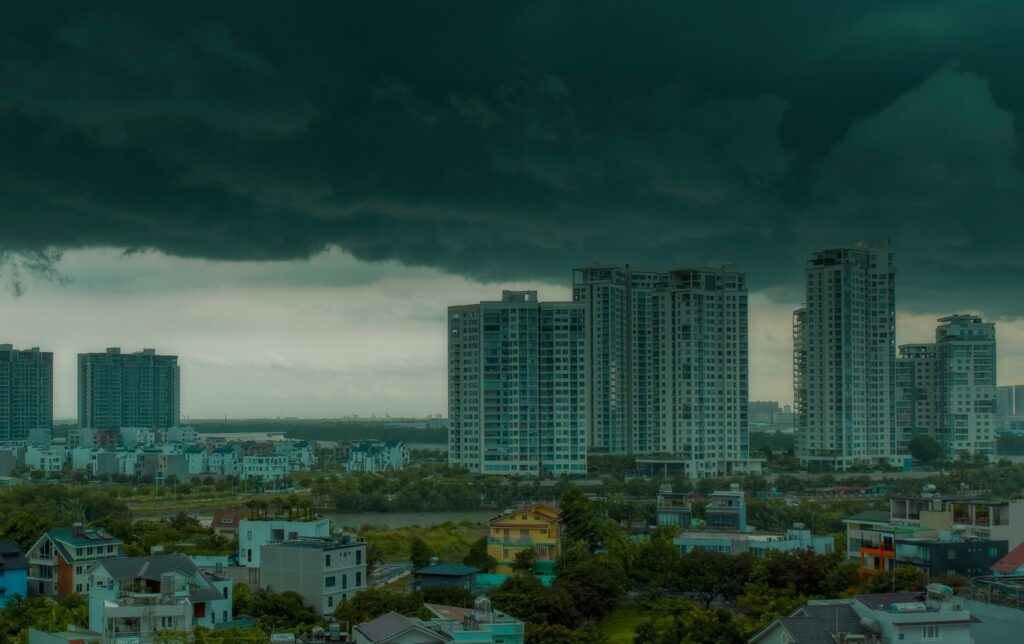
CSS team members supporting NOAA’s National Centers for Environmental Information (NCEI) industry initiative are working with the architecture and engineering, insurance and reinsurance, and retail sectors to co-develop environmental data tools that are accessible and actionable, helping industries and communities build weather resilience.
A new video showcases how NOAA data products, and this initiative, are equipping professionals to design infrastructure that can withstand normal and extreme conditions today and tomorrow.
Turning Data into Design Insight
In the video, Dan Walker of the American Society of Civil Engineers describes how NOAA data underpins building codes, engineering standards, and infrastructure planning. As extreme weather becomes more frequent and conditions continue to change, designing based solely on historical data is no longer enough. Access to reliable environmental data allows architects and engineers to account for future risks and build with long-term performance in mind.
Applying Data in the Real World
Through ongoing collaboration with industry partners, the initiative helps translate complex environmental data into tools that support day-to-day decision-making. These resources provide critical insights that help professionals evaluate risk, plan for future conditions, and design more resilient infrastructure, including:
- Storm Events Database (Updated Summer 2025): A comprehensive record of historical weather events and impacts, enabling professionals to understand past hazards and incorporate that knowledge into risk assessments and infrastructure design.
- Typical Meteorological Year (Estimated Release Spring 2026): Typical and projected weather conditions can be used to inform energy-efficient building design, system performance, and long-term planning for changing climate conditions.
- Precipitation Time Series Explorer (Estimated Release Fall 2026): An interactive tool using Multi-Radar Multi-Sensor data to show historical and near real-time precipitation at specific locations, helping engineers assess rainfall trends, frequency, and extreme event risk for design planning.
These tools help architects and engineers move beyond static data, supporting smarter decisions that improve performance, reduce risk, and strengthen resilience over time.
Delivering Broader Impact
The benefits of this work extend beyond individual projects. Data-informed design helps reduce uncertainty, improve efficiency, and lower long-term costs. More importantly, it supports infrastructure that keeps communities safe, maintains essential services, and strengthens economic resilience. From transportation systems to commercial buildings, these insights are helping ensure infrastructure is prepared for both current and future challenges.
Supporting What Comes Next
CSS is proud of its team members contributing to the NCEI industry initiative, helping transform environmental data into practical solutions that strengthen industries, support the economy, and build safer, more resilient communities. To learn more, visit the NCEI Our Impact page and watch the video now!
See More CSS Insights
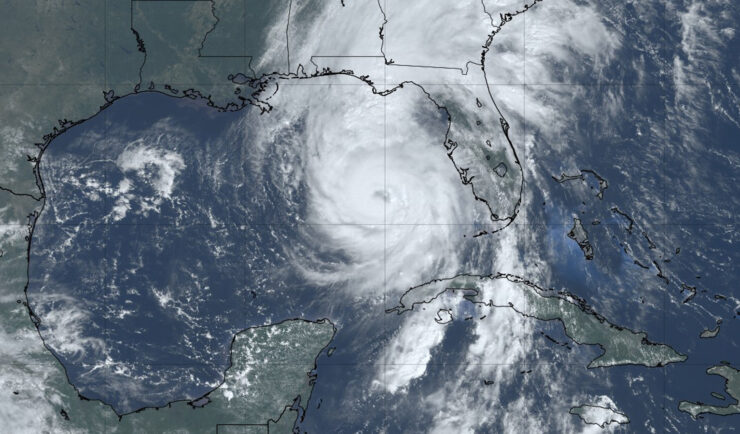
Hurricane Helene One Year Later: Shedding Light on the Impact
It’s been one year since Hurricane Helene caused catastrophic damage throughout the southern Appalachia region, especially Tennessee and North Carolina, where several rivers experienced above-record flooding. CSS employee owners (previously Riverside Technology, inc.) supporting NOAA’s National Centers for Environmental Information (NCEI) helped develop a Hurricane Helene StoryMap, Helene in Southern Appalachia, a dynamic tool that integrates diverse…
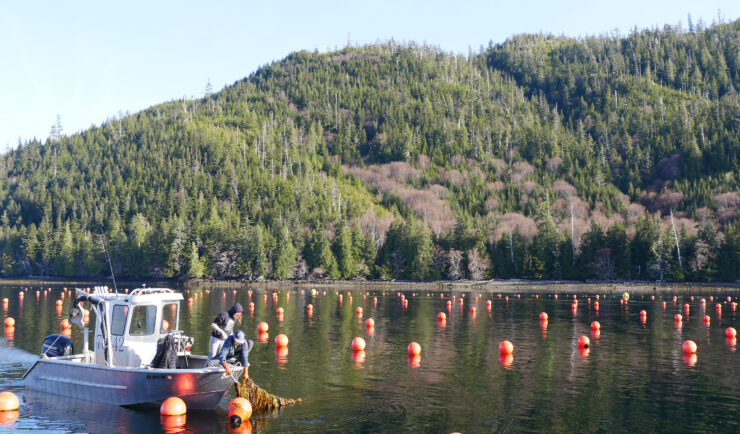
New Release: Aquaculture Atlas for the Gulf of Alaska
The National Oceanic and Atmospheric Administration (NOAA) has published An Aquaculture Opportunity Area Atlas for the Gulf of Alaska, which identifies 77 potential options in 10 study areas for establishing commercial seaweed and shellfish mariculture in Alaska state waters. For nearly three years, CSS employee owners have been working with partners through our contract with NOAA’s National Centers for Coastal Ocean Science (NCCOS) to support this extensive, cross-agency effort. Since 2023, CSS has supported NCCOS with this collaborative effort,…
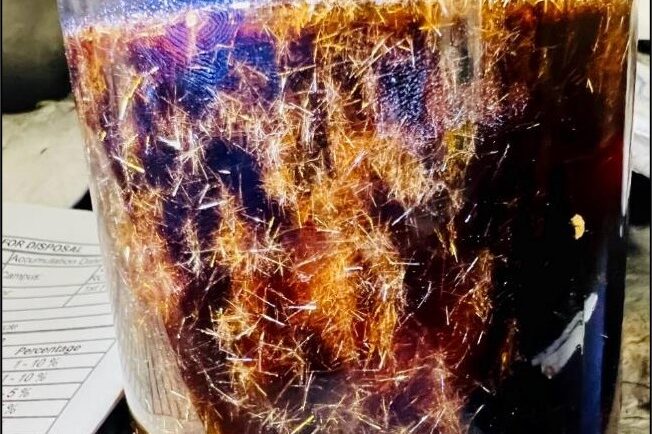
Training Staff for Handling Hazardous Waste and Responding to Chemical Spills
CSS employee owners provide on-site support to the Centers for Disease Control and Prevention (CDC) Hazardous Waste Program at several campuses around the country: Atlanta, Georgia, San Juan, Puerto Rico, and Fort Collins, Colorado. With 22 years of experience, CSS staff are responsible for providing training to laboratory and facilities staff to ensure safe handling of hazardous waste to avoid harmful…