
- Employee Spotlight, Success Stories
- Emergency Preparedness & Response
Supervisory Support for 2025 Southern California Wildfires Response Efforts
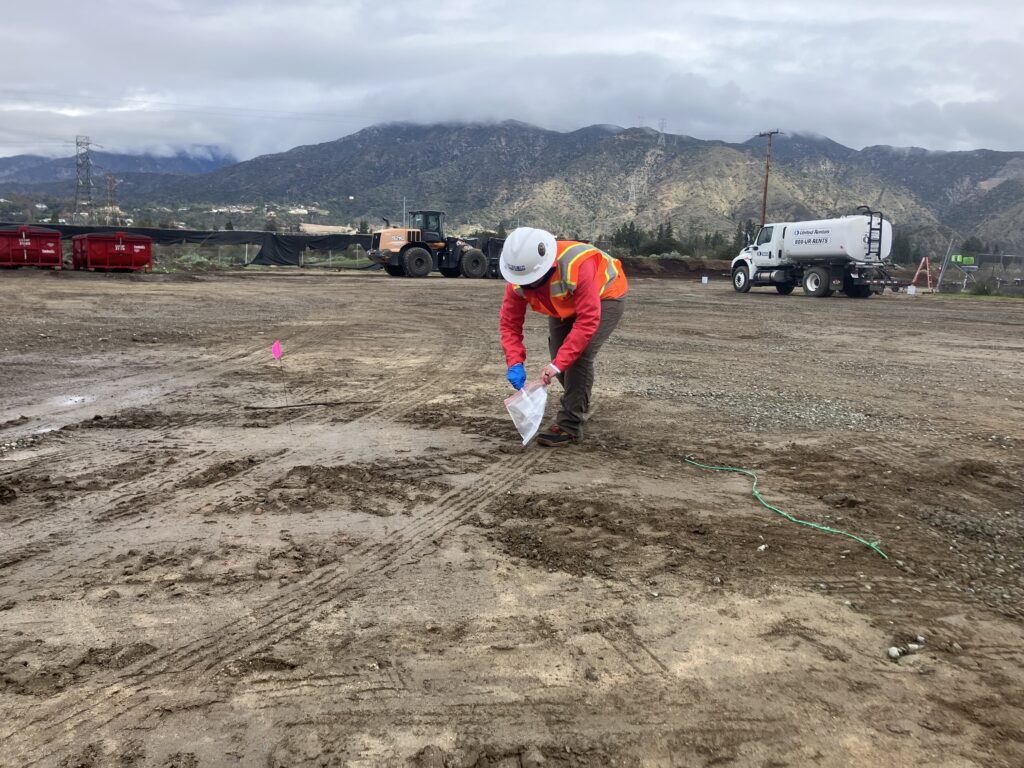
Long after wildfires are extinguished, ongoing efforts continue to assess long-term damage and contamination. CSS employee owners are often heavily involved in these efforts and follow up to ensure response operations do not impact the environment.
Response efforts in South California continued throughout the year following the 2025 wildfires that devastated the Los Angeles area. CSS continued to support the damage assessment through a U.S. Environmental Protection Agency (EPA) Region 9 Superfund Technical Assessment & Response Team (START) subcontract with Weston Solutions, Inc.
CSS START Senior Chemist supported Phase 1 (removing hazardous material) of the 2025 Southern California wildfires response in the field as a group supervisor, overseeing six START field team leaders and collaborating with the EPA group supervisor to effectively and efficiently conduct removal of household hazardous materials (such as batteries, chemicals, paint, cleaners, and more) from residential properties affected by the wildfires. This prepares the area for Phase 2 (debris removal) and reduces risk of additional contamination and exposure to residents, and keeps those items out of local landfills.
As part of Phase 1 wildfire responses, staff on site conduct soil sampling and testing before and after staging of collected hazardous materials for disposal, to confirm that operations did not impact the soil at that site. CSS observed this process for reporting purposes and acted as a third-party validator for collected samples.
Throughout the ongoing Phase 1 effort, CSS START staff supported the EPA Environmental Unit with the response by observing the sampling, validating the analytical data from the laboratory, and summarizing the process and results in reports that provide official documentation for public record.
Learn more about additional support CSS provided during this response effort.
See More CSS Insights
High Resolution Land Cover Maps Now Available
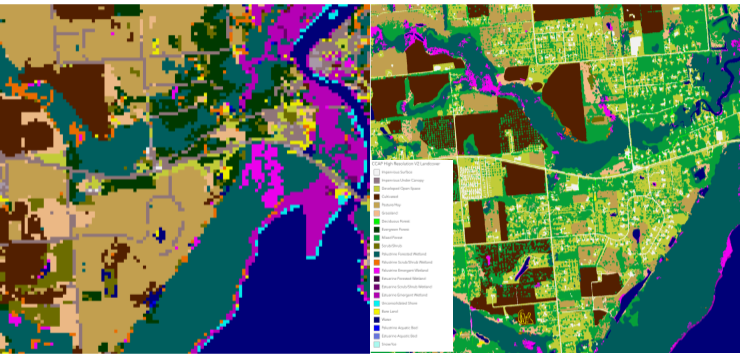
NOAA’s Office for Coastal Management has released higher resolution land cover maps for Alabama, Mississippi, Northeast Ohio, Rhode Island, and the Puget Sound in Washington. These 1 meter data—previously only available in 30 meter—provide more detail communities need to map and understand their landscapes and features, including tree canopy, wetlands, impervious surface and several other categories. This additional detail will help inform decisions regarding stormwater management, flood mitigation, wetland restoration, and more. CSS employee owners—subcontracted through Lynker Technologies—contributed to the release of this…
Training Staff for Handling Hazardous Waste and Responding to Chemical Spills
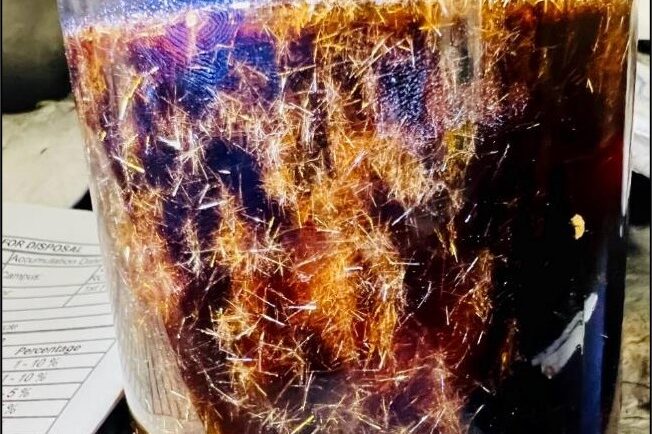
CSS employee owners provide on-site support to the Centers for Disease Control and Prevention (CDC) Hazardous Waste Program at several campuses around the country: Atlanta, Georgia, San Juan, Puerto Rico, and Fort Collins, Colorado. With 22 years of experience, CSS staff are responsible for providing training to laboratory and facilities staff to ensure safe handling of hazardous waste to avoid harmful…
Supporting the Mississippi River Basin Drought and Water Dashboard Development
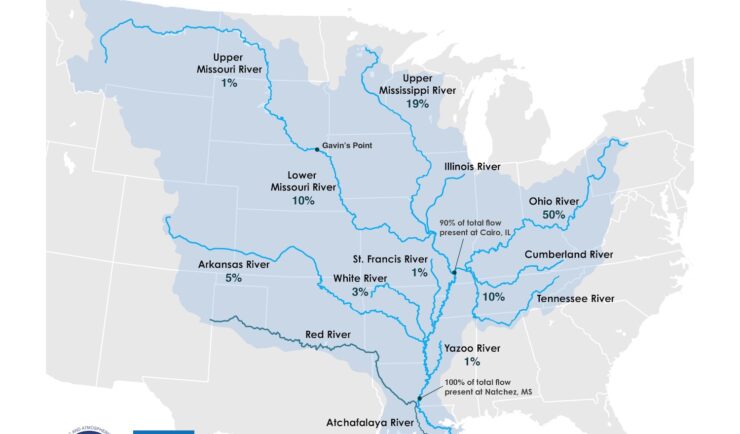
Congratulations to NOAA’s National Integrated Drought Information System (NIDIS) on the launch of the Mississippi River Basin Drought and Water Dashboard. This dashboard provides crucial, timely information to support decision-making for those living and working in the basin, which spans 31 states and 40 percent of the contiguous U.S. The team created the dashboard to…