
- Success Stories, Uncategorized
- Emergency Preparedness & Response, Environmental Resource Assessment & Management
55 Years of Earth Day!

Since April 22, 1970 — that’s 55 years! — we’ve celebrated Earth Day to raise environmental awareness and support for environmental protection. At CSS we have a passion for the environment and through various government contracts, we work with our clients to overcome challenges to help protect this rock we call home.
Below are a few projects our employee owners have worked on to help protect Earth through contracts with the National Oceanic and Atmospheric Administration (NOAA), the Environmental Protection Agency (EPA), and the Centers for Disease Control and Prevention (CDC).
- Monitoring marine mammal health as an indicator for estuarine health (NOAA National Centers for Coastal Ocean Science [NCCOS])
- Assisting with wildfire recovery in Maui and California (EPA)
- Protecting and restoring coral communities, and assessing coral health (NOAA NCCOS and Coral Reef Conservation Program)
- Supporting wetlands (NOAA and EPA)
- Protecting seagrass meadows (EPA and NOAA)
- Assessing environmental effects of anthropogenic chemicals (EPA Office of Pesticide Programs)
- Responding to hazardous material spills (CDC)
- Monitoring air quality (EPA)
See More CSS Insights
CSS Employee Owners Receive NOAA Award
NOAA’s National Environmental Satellite and Data Information Service (NESDIS) recognizes the National Centers for Environmental Information Cloud Archive Team with 2026 NESDIS Outstanding Information Technology and Engineering Team Award! This award recognizes the team’s efforts to develop and deploy the Open Information Stewardship System (OISS) and create a large language model (L-OISS) that automates the generation and testing of complex archive workflows. CSS Employee Owners…
Expanding Our Offshore Wind Team
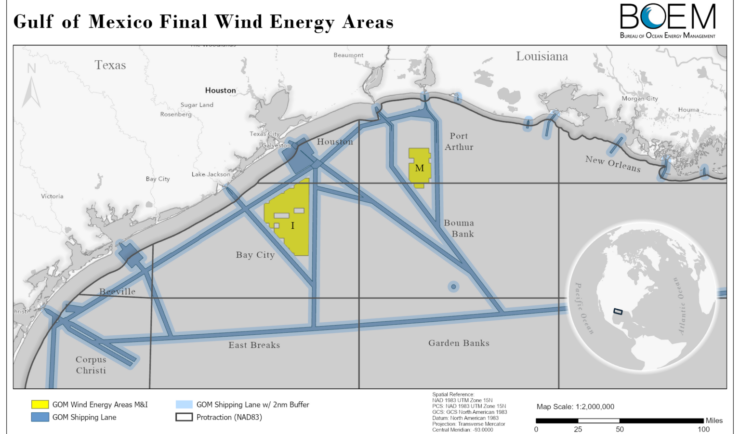
We’ve recently added several staff to bolster the offshore wind team at NOAA’s National Centers for Coastal Ocean Science. With this full team of 13, our employee owners are able to provide more focused support in their areas of expertise, including mapping and spatial modeling, data collection, communications, project management, and partner engagement. Through this…
Developing a Stream Assessment Protocol
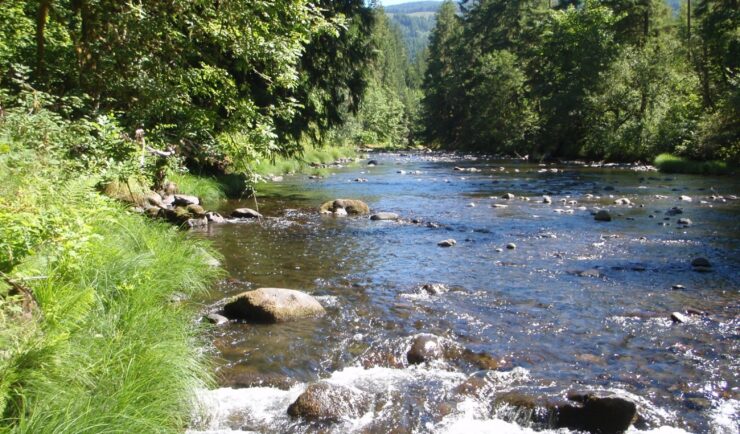
CSS has been a significant contributor to the development and implementation of the Oregon Stream Function Assessment Method (SFAM) for more than 10 years. SFAM is a key component of the Oregon Stream Mitigation Program administered by the Oregon Department of State Lands. The mitigation program is designed to address damage to aquatic resources caused…