
- CSS News, Success Stories
- Satellite Science & Environmental Intelligence
Securing and Modernizing NOAA’s Climate Data Records
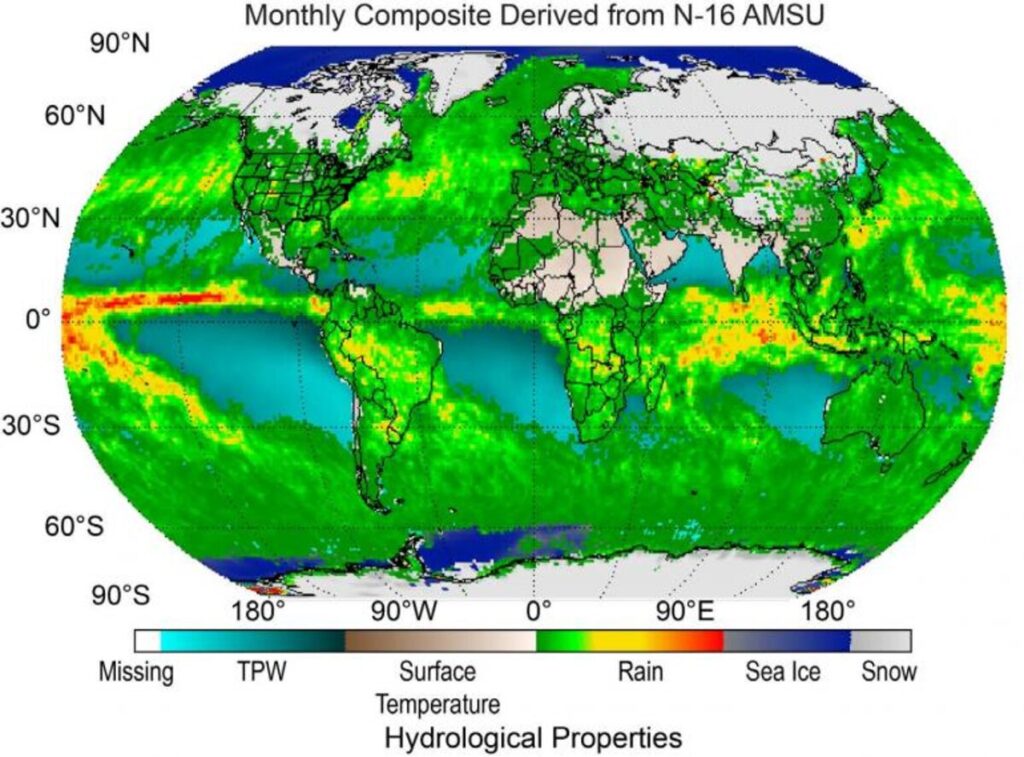
NOAA’s National Centers for Environmental Information is currently migrating their monumental archives from physical data centers onto the secure Amazon Web Services (AWS) cloud, a massive undertaking to ensure these critical records remain secure. NOAA selected a CSS employee owner and program manager for Climate Data Records as a division representative for the high-stakes Data Ingest and Migration team to coordinate directly with technical experts. As part of this role, the CSS representative is also serving to define end-to-end processes for the migration and beyond to safeguard the health of the climate data records and all of NCEI’s products ensuring these records are properly maintained and secured.
NOAA’s Climate Data Records are robust, sustainable, and scientifically sound climate records that communities, industry, and scientists trust to provide vital information on the Earth’s changing climate. Partners and industry professionals use this information to study climate variability, national defense, effects on natural resources, inform the media and public. By modernizing these extensive data in a secure cloud environment, CSS is ensuring NOAA can continue to maintain these critical data that contribute to understanding Earth’s systems for future communities and industry access.
Learn more about NOAA’s Climate Data Records.
See More CSS Insights
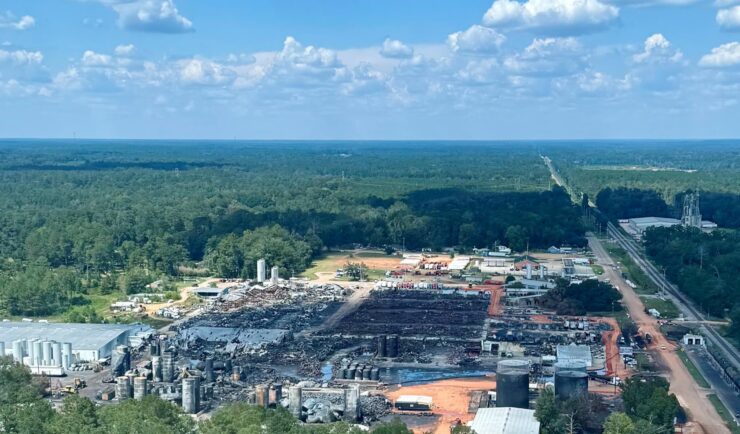
Responding to Tangipahoa River Contamination
Following a fire at Smitty’s Supply facility in Louisiana’s Tangipahoa Parish on August 22, 2025, a CSS employee owner supporting the Environmental Protection Agency’s Superfund Technical Assistance and Response Team (START) sub-contract deployed to the scene on August 31 to assist with response efforts. Initially the staff member worked on logistics at the staging warehouse.…
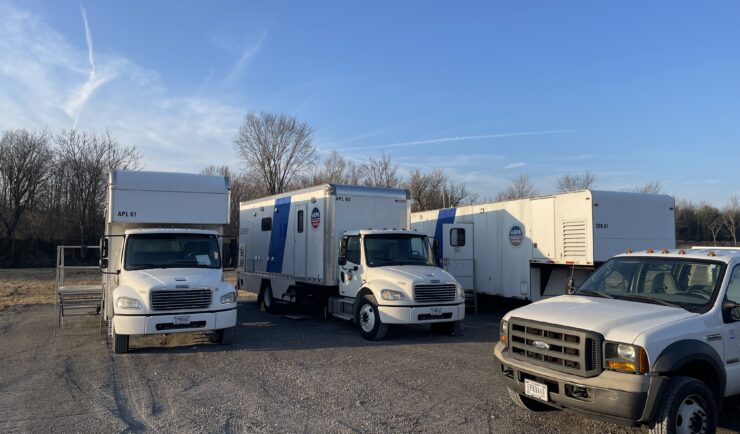
Continued Analysis of Contaminants from East Palestine Train Derailment
In February 2023, a freight train carrying hazardous materials derailed in East Palestine, Ohio spilling chemicals that contaminated surrounding soil, water, and the air. Several Portable High-throughput Integrated Laboratory Identification Systems (PHILIS) – the U.S. Environmental Protection Agency’s (EPA) suite of mobile laboratories designed to provide on-site analysis of chemical agents – and staff were mobilized to the site following the accident to conduct analysis of various contaminated media. The CSS…
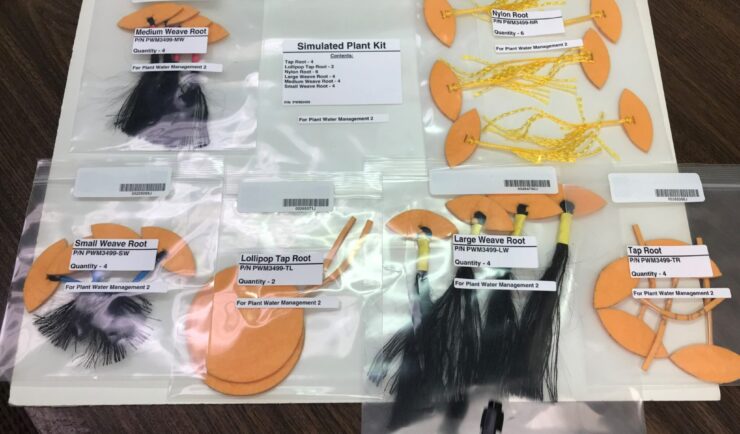
Astronauts Conduct Latest Plant Water Management on the International Space Station
NASA recently performed the sixth iteration of the CSS-supported Plant Water Management experiment on the International Space Station (ISS).