

Some of the projects we support are out of this world! Our staff are supporting the University of North Dakota by providing world class laboratory space near the Kennedy Space Center to enable 3-D printing and testing of NASA’s astronaut suits. Check out this video on why this these new suits are important to NASA’s mission and the safety of their astronauts.
We provide operations, facility, and IT support, and health and safety oversight for the Space Life Sciences Laboratory, a joint effort between State of Florida and NASA for payloads bound to the International Space Station.
This facility is a full-service, multi-tenant research laboratory supporting Earth and Space Life Science technology and product development. It’s located in Exploration Park on federal property directly outside the security perimeter of NASA’s Kennedy Space Center.
See More CSS Insights

Over 40 Years of Support
Since 1982, members of our staff have supported EPA’s Office of Pesticide Programs. As part of this contract, our staff assess environmental and human health impacts on anthropogenic chemicals. The agricultural industry is critical to food and textile production, it is a large contributor to the U.S. economy. Not only does the industry provide food…
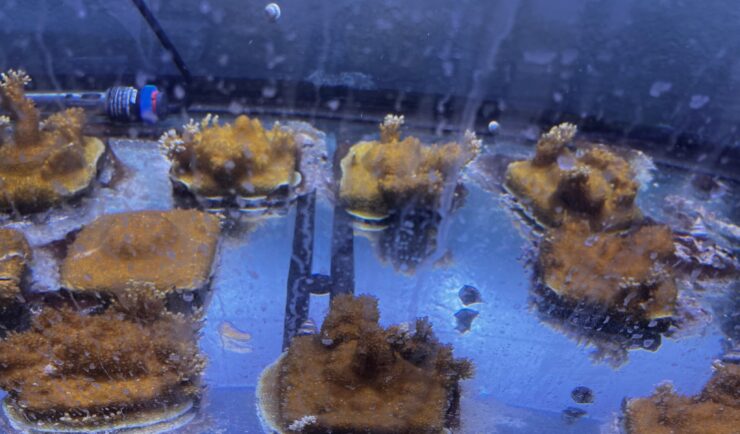
Studying Corals for Future Protection and Restoration
Coral reefs are under threat from warming waters, disease, degraded water quality, and other stressors. Several shallow water coral species are listed as threatened under the Endangered Species Act. Our team of coral scientists on contract with NOAA’s National Centers for Coastal Ocean Science are studying coral reproduction, and genetics, and the environmental factors that…
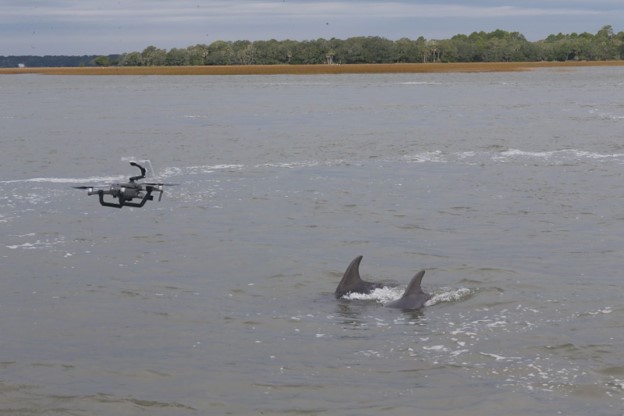
Examining Cetaceans for Contamination and Pathogens
CSS has employee owners who are experts in monitoring cetacean health. Several CSS scientists supporting NOAA’s Centers for Coastal Ocean Science have recently conducted research and tests on marine mammals to explore uncommon behaviors and causes for strandings. View some examples of this research below. Microplastics are becoming increasingly abundant in coastal and marine environments.…