
- Success Stories
- Environmental Resource Assessment & Management
Conducting Greenhouse Soil Tests for Soil Remediation Recommendations
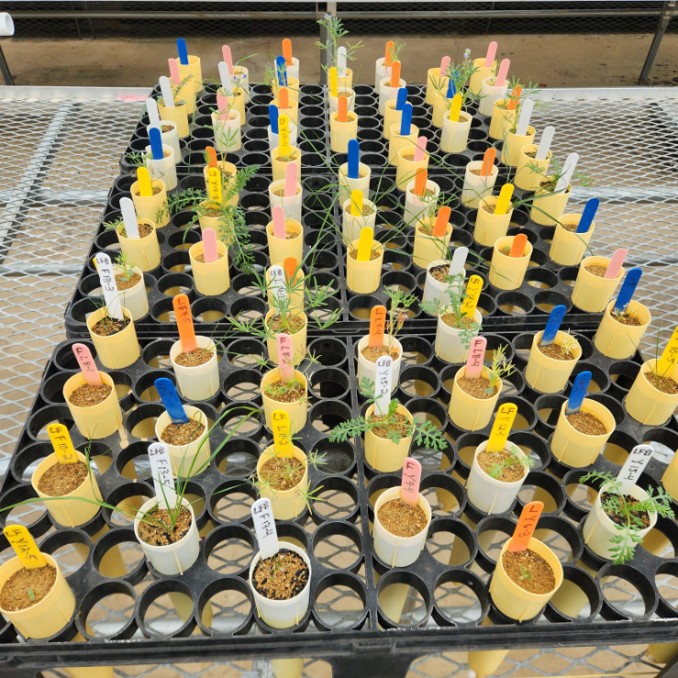
There are thousands of abandoned mines in the Western United States and residual heavy metal concentrations can be high in mine spoils. These spoils can also be quite acidic. Acidic soils with high concentrations of heavy metals can significantly impact the re-establishment and growth of native plant species at these sites. Even after removal of soils with the highest heavy metal concentrations, re-establishment of native species can be difficult because of the high acidity.
Through our contract with the U.S. Environmental Protection Agency (EPA), CSS employee owners are supporting studies to develop methods for remediating contaminated mine soil and re-establishing native vegetation. This effort is important to helping prevent runoff and contamination of streams draining into larger watersheds.
As part of this work, CSS plant scientists are conducting greenhouse tests for the EPA to determine which soil amendments, such as biochar and lime, are most effective at mitigating the impacts of the metal contamination and acidity on the growth of native plants. This information will be used in recommendations for field applications of soil amendments at mine sites.
See More CSS Insights

Ensuring Safety and Support for Sample Testing on the International Space Station
The International Space Station (ISS) gives scientists the opportunity to study the effects of space travel on human and plant tissues as well as understand how physical materials react during formation or exposure to a microgravity environment. CSS provides integrative expertise to NASA to support research and development and technology demonstrations conducted on the ISS,…
Training Staff for Handling Hazardous Waste and Responding to Chemical Spills
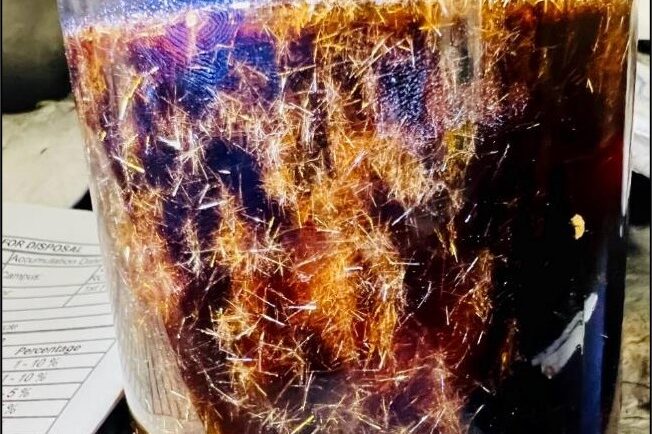
CSS employee owners provide on-site support to the Centers for Disease Control and Prevention (CDC) Hazardous Waste Program at several campuses around the country: Atlanta, Georgia, San Juan, Puerto Rico, and Fort Collins, Colorado. With 22 years of experience, CSS staff are responsible for providing training to laboratory and facilities staff to ensure safe handling of hazardous waste to avoid harmful…
Astronauts Conduct Latest Plant Water Management on the International Space Station
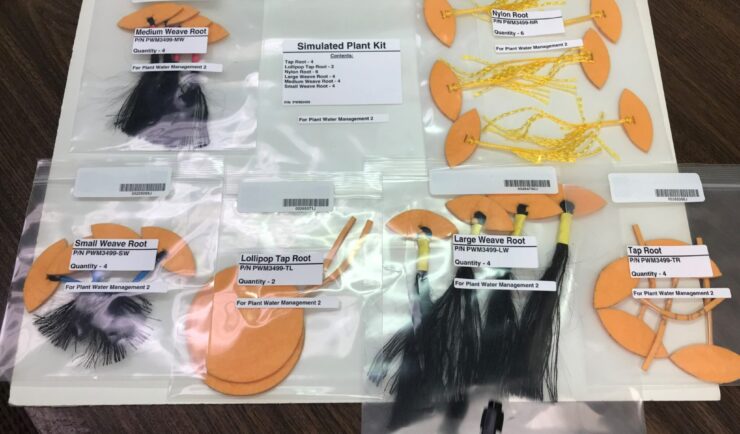
NASA recently performed the sixth iteration of the CSS-supported Plant Water Management experiment on the International Space Station (ISS).