
- Success Stories, Uncategorized
- Emergency Preparedness & Response
Assisting with Design and Validation of Mobile Chemical Analysis Laboratory
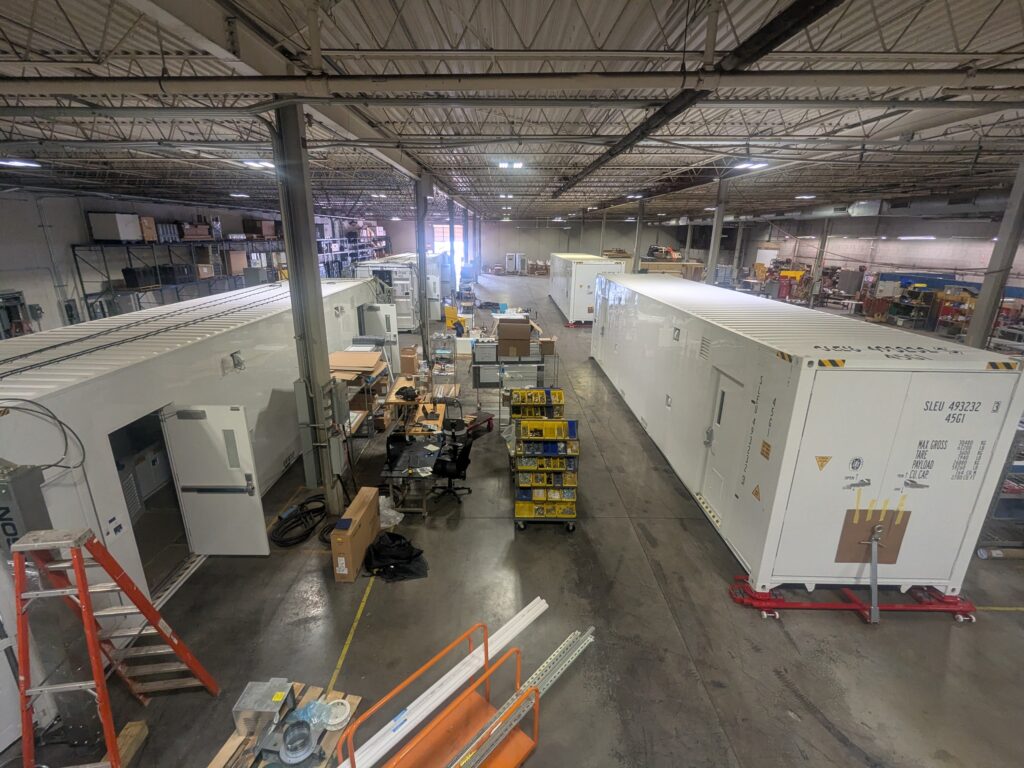
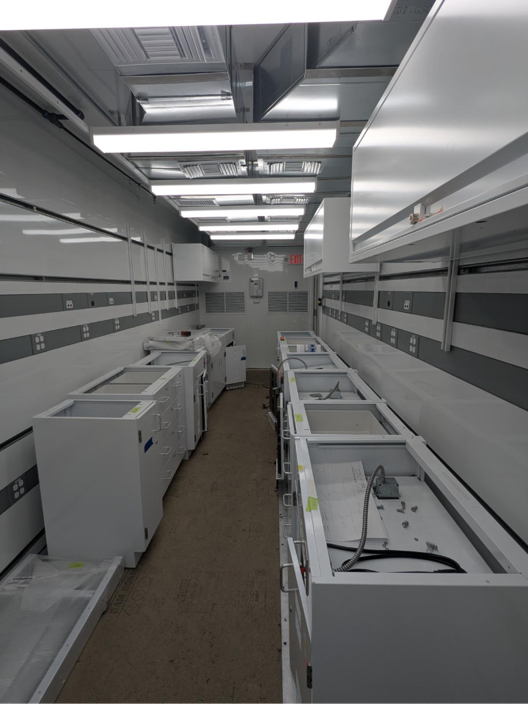
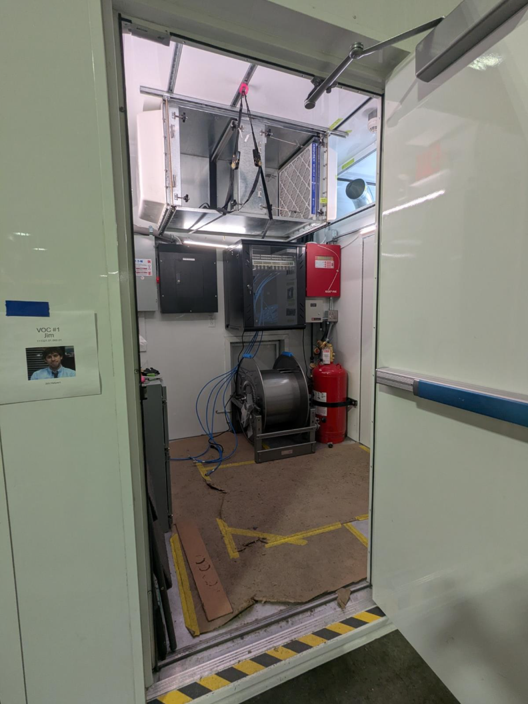
Portable High-throughput Integrated Laboratory Identification System (PHILIS) is the Environmental Protection Agency’s (EPA) suite of mobile laboratories designed to provide on-site analysis of chemical agents. CSS employee owners support the PHILIS team with on-site responses and chemical analysis. CSS PHILIS teams recently supported the technical design and integration of state-of-the-art emergency response mobile laboratory units engineered for the rapid detection and quantification of hazardous materials. CSS PHILIS teams in Castle Rock, Colorado and Edison, New Jersey collaborated with EPA and MRIGlobal — a research- and technology-focused contract company — representatives to orchestrate the configuration of Gas Chromatography-Mass Spectrometry, Liquid Chromatography-Tandem Mass Spectrometry, and preparatory systems to ensure benchtop-level performance under mobile conditions. CSS staff validated all critical support systems, including electrical, information technology (or IT), climate control system (or HVAC), vibration isolation, fume hoods, cabinetry and chemical storage, plumbing, power, fire, lighting, vacuum, and high-purity gas delivery systems. CSS chemistry staff upgraded and organized the current facility to best support the new laboratory units by implementing a transition and decontamination plan, installing an upgraded electrical system with higher voltage and amperage power supplies, and training staff on safe practices in use and movement of the new labs and equipment. CSS staff ensured that the laboratory adhered to safety standards while optimizing workflow for the hazardous material sample receiving, preparation, processing, analysis, and review while deployed to support EPA emergency response activities.
Visit EPA’s website to learn more about PHILIS.
See More CSS Insights
Emergency Response Support for the Republican National Convention
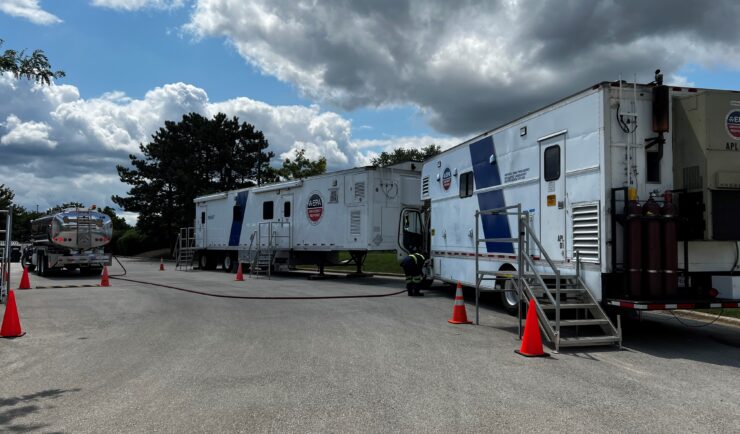
CSS employee owners on contract with the U.S. Environmental Protection Agency’s Portable High-throughput Integrated Laboratory Identification System — a mobile analytical unit known as PHILIS — provided emergency response support for the 2024 Republican National Convention. PHILIS mobile laboratory units are designed to provide onsite analysis of environmental conditions, including air and soil samples, contaminated…
New Data and Reports on the U.S. Marine Economy
Each year CSS economists on contract with NOAA’s Office for Coastal Management work with other federal agencies to process the most recent economic and labor data, and extract the portions related to marine-dependent sectors.
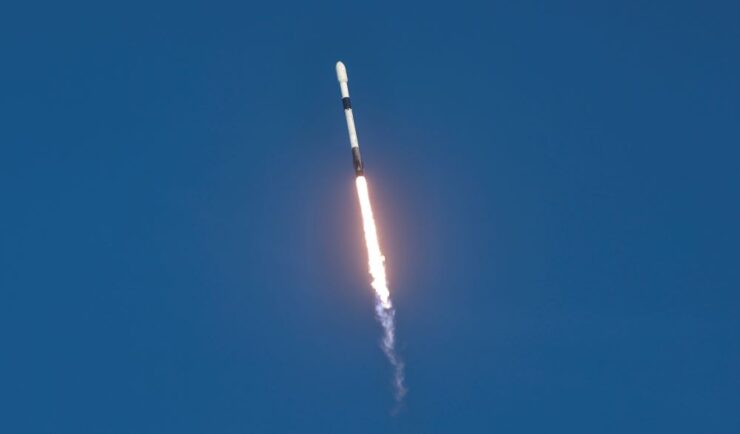
Preparing and Delivering Samples for Travel to the International Space Station
CSS employee owners on contract with NASA delivered six newly prepared Solidification Using a Baffle in Sealed Ampoules (SUBSA)—a high temperature furnace with temperature and timing control for melting samples to create different materials and alloys—samples for the NG-23 launch, which took place on September 14, 2025. On this mission, samples are being delivered for…