
All Insights

Supporting the Development and Refinement of Advanced Atmospheric Sounding Products
The National Oceanic and Atmospheric Administration’s (NOAA) Unique Combined Atmospheric Processing System (NUCAPS) provides critical information on temperature, moisture, ozone, and other variables that help forecasters and climate experts understand conditions throughout the atmosphere. CSS Employee Owners are key contributors to the team, supporting the development and refinement of advanced atmospheric sounding products. The work…
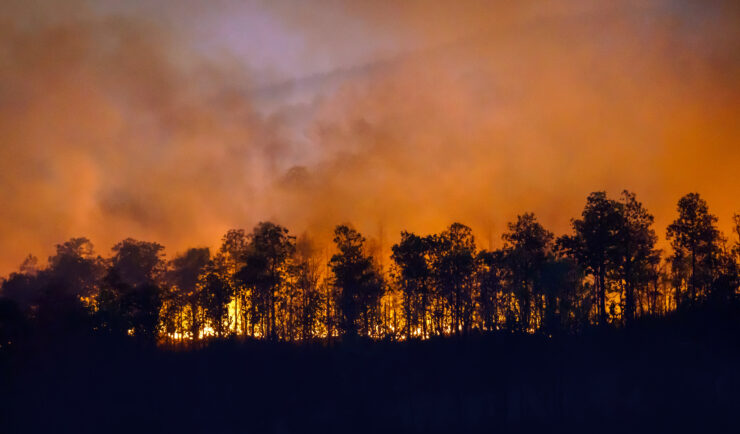
Contributing to the Next Generation Fire System
CSS plays a key role on the National Oceanic and Atmospheric Administration’s (NOAA) Atmospheric Sciences and Technology Applications Fire Detection Team, contributing to the development and validation of next generation wildfire detection capabilities. Working alongside subject matter experts and scientists from the University of Wisconsin-Madison, CSS Employee Owners support efforts to evaluate and improve experimental…

Celebrating Earth Day Through a Photo Contest
Every April 22nd, billions of people around the world celebrate Earth Day. This annual event serves as a global call to action, reminding us that collective, small actions can create a large-scale, positive impact. Earth is experiencing a multifaceted, anthropogenic environmental crisis — marked by pollution, resource depletion, loss of biodiversity, and severe climate events…

NOAA’s Updated Climate Atlas Tool is Now Live!
In the fall of 2026, NOAA released the updated Climate Atlas tool. CSS is proud to support the release of this tool, with personnel as key members of the leadership, development, and user engagement teams. Climate Atlas offers enhanced accessibility and usability for local communities, businesses, industries, and decision-makers. Reliable climate data underpins strategic planning,…
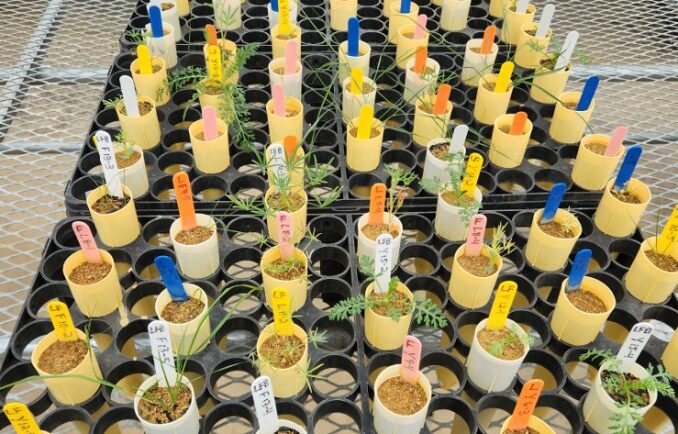
Conducting Greenhouse Soil Tests for Soil Remediation Recommendations
There are thousands of abandoned mines in the Western United States and residual heavy metal concentrations can be high in mine spoils. These spoils can also be quite acidic. Acidic soils with high concentrations of heavy metals can significantly impact the re-establishment and growth of native plant species at these sites. Even after removal of soils with the…

Supporting the National Integrated Drought Information System Team
Drought is one of the most expensive and far-reaching natural disasters we face, contributing to wildfires and impacting everything from the food on our tables to the water in our taps and the barges carrying cargo down our rivers. To help communities, farmers, and leaders stay ahead of these dry spells, the National Integrated Drought…
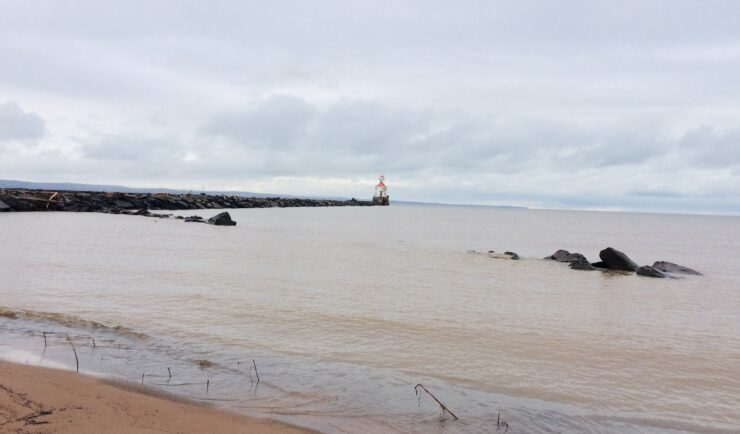
More Than 1,600 Great Lakes Water Samples Analyzed
More than 30 million people rely on the Great Lakes for drinking water, and they support a fisheries industry valued at $5.1 billion annually. Monitoring the Lakes’ water chemistry is a vital part of maintaining the quality of this key natural resource. The U.S. Environmental Protection Agency (EPA) is responsible for collecting and testing water samples in…

Supporting National Ocean Service Financial Management Centers
CSS employee-owners bring exceptional dedication and expertise to the National Ocean Service (NOS) Agreements, Grants, and Acquisitions Division, supporting several Financial Management Centers (FMCs) through complex, high‑priority initiatives. CSS has played a key role in helping FMCs navigate the U.S. Department of Treasury’s G‑Invoicing system during a period of transition and heavy workload. CSS staff recognized the challenges many teams were facing and broke down the system’s complex requirements…
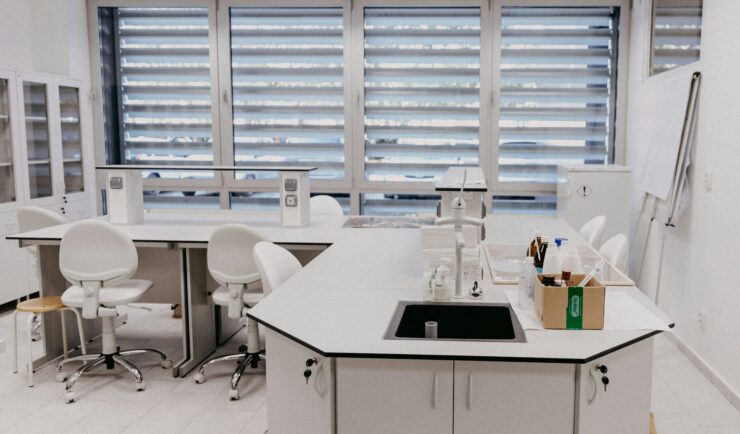
Standard Guidelines for Evaluating Construction Safety and Health
Safety is of the utmost importance in new construction or renovations. CSS employee owners, supporting the National Institutes of Health (NIH) BaseLINE program helped develop and implement a proactive approach to evaluating safety and health conditions in newly constructed and renovated spaces before occupancy. The NIH BaseLINE program, Building Assessment of Safety Elements (Base) Lighting, Indoor air quality, Noise, Ergonomics (LINE), is a systematic readiness and safety assessment survey used for newly…